
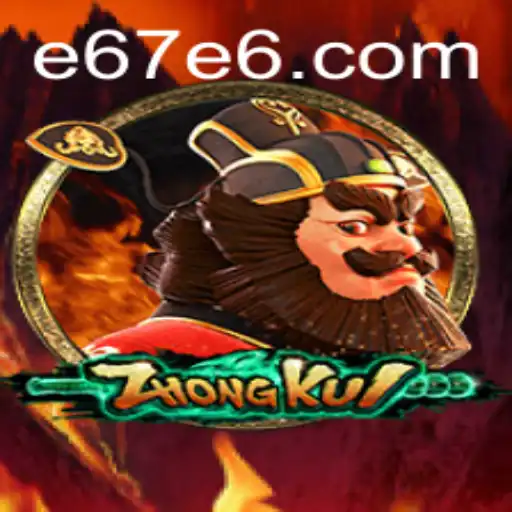

Dive into the mesmerizing realm of ZhongKui, a game that blends intricate strategy with rich mythology. Explore the game's enthralling elements and timeless allure.
ZhongKui: The Enigmatic Game of Strategy and Mythology
In the expansive and diverse world of games, few titles manage to blend cultural heritage, strategic depth, and mythical storytelling as effectively as ZhongKui. Set against a backdrop of ancient Chinese folklore, this game not only serves as a testament to the timeless struggle between good and evil but also invites players to immerse themselves in the strategic intrigue expected of competitive gameplay.
An Introduction to ZhongKui
ZhongKui draws its inspiration from the legendary figure of Zhong Kui, known in Chinese folklore as the vanquisher of ghosts and evil beings. His tales have been recounted for generations, often depicted in various forms of Chinese art and opera. The game channels this rich cultural essence by infusing its gameplay with themes of protection and supernatural challenges.
Players are tasked with embodying Zhong Kui or his adversaries, engaging in a strategic battle where the boundaries of reality and mysticism blur. The game seeks to captivate its audience by offering a multilayered experience that appeals to both fans of mythology and strategic games.
The Game Mechanics and Rules
At its core, ZhongKui is a strategy game, blending elements of resource management, tactical positioning, and role-playing. The game board is typically laid out on a grid, symbolizing the boundaries between the earthly realm and the spirit world. Each player must navigate this space, strategizing to achieve their objectives.
Objective
The primary objective in ZhongKui is for players to either harness power in the form of 'spiritual energy' or to undermine their opponent's strategy to dominate the play area. The path to victory can be forged through various means, such as capturing spiritual entities, securing ancient relics, or completing tasks tied to mythological events.
Characters and Roles
The characters in ZhongKui are loosely based on figures from Chinese mythology, each endowed with unique abilities and characteristics. From Zhong Kui himself—a formidable protector capable of purging evil—to his ghostly adversaries who manipulate their surroundings with cunning strategies, the game provides diverse roles that cater to different playing styles.
bet333Gameplay Flow
Each match of ZhongKui unfolds over a series of turns, where players make key decisions that will impact their progression. The flow typically involves the following phases:
- aa45
- Preparation Phase: Players set up their game boards, selecting their characters, and placing starting tokens. Strategy during this phase is crucial as it dictates the initial momentum. 53a
- Action Phase: Character movement and ability usage take place. Each character has a limited number of actions they can perform, requiring players to balance offense and defense meticulously.
- Resolution Phase: Outcomes of actions are resolved; this includes battles, interactions with special tiles, or engaging event cards drawn from the 'Arcane Deck'.
Strategic Depth
The strategic depth of ZhongKui lies in the variability it offers through e67 mechanics, a cornerstone rule that impacts gameplay significantly. "E67" refers to the enhanced level of unpredictability built into card draws and event triggers. Players must adapt their strategies quickly in response to the dynamic unfolding of circumstances on the board. Balancing risk with reward and anticipating opponents' moves make mastering the game a worthy challenge.55ffwin
Current Events and Their Impact on ZhongKui
As cultural interest in mythical narratives and folklore continues to grow globally amid a resurgence in mainstream entertainment—fueled by popular series and films exploring similar themes—ZhongKui finds itself in a renaissance moment. This uptick in mindset aligns perfectly with the modern gaming landscape, where narrative-driven experiences are more appreciated.
Global events have also seen an increasing appreciation for cultural heritage, sparking discussions on how such elements can be thoughtfully integrated into entertainment mediums like games. ZhongKui exemplifies this trend by not merely using mythology as a superficial backdrop but by weaving it into every facet of the game, from mechanics to aesthetics.
Moreover, as digital tabletop gaming gains traction—spurred by advancements in digital interactive technology—ZhongKui is predicted to thrive not just as a traditional board game but also potentially in digital form. With many gaming communities embracing remote gameplay, developers have hinted at exploring online platforms to bring ZhongKui to a broader audience, ensuring that theme and story-driven strategy reach players worldwide.
bet321In conclusion, ZhongKui represents an enthralling fusion of myth and strategy, drawing on a rich cultural narrative while embracing contemporary gaming trends. It stands as an intriguing option for those who cherish profound storytelling coupled with strategic gameplay prowess.